
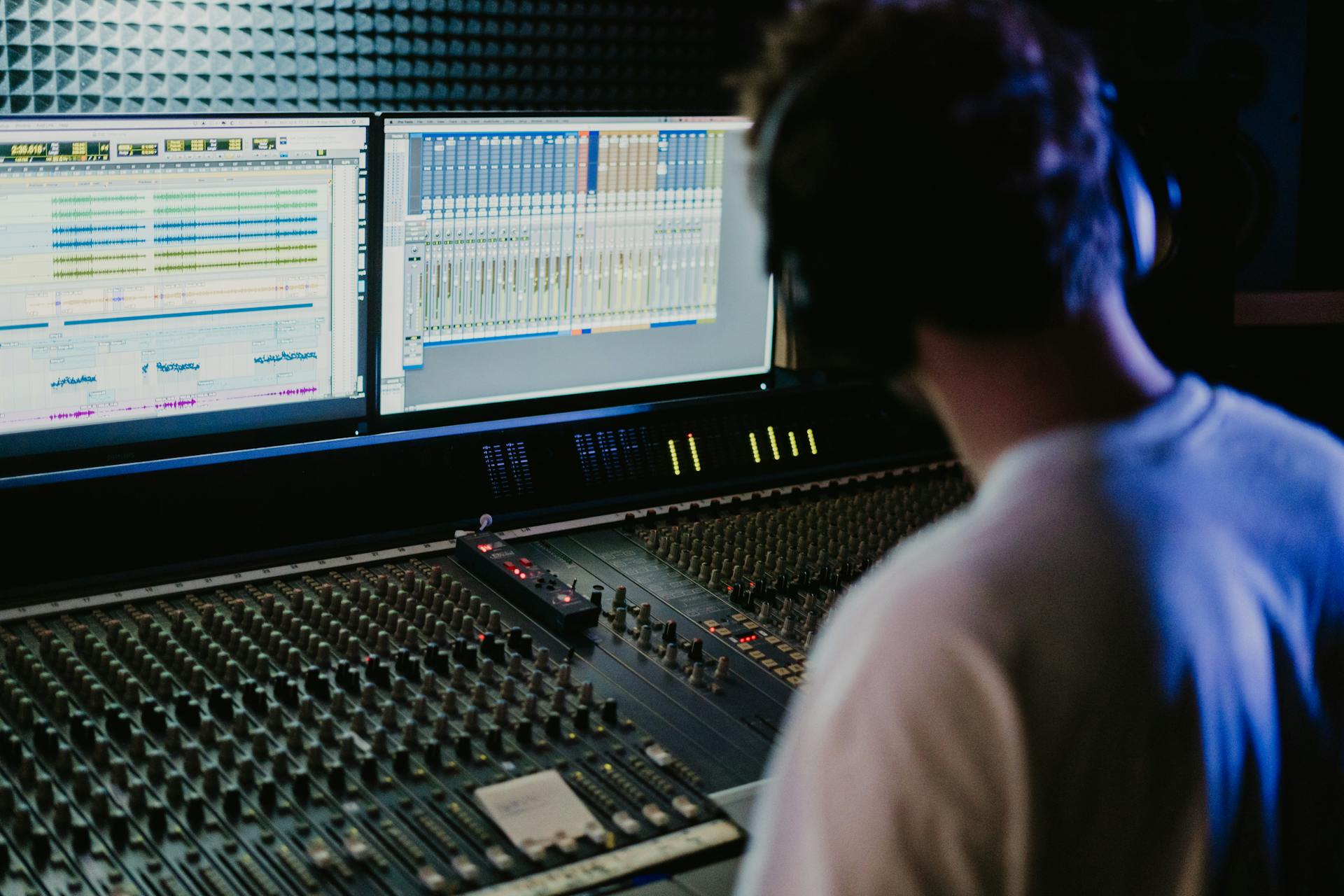
Music has always evolved with technology. From the piano to the synthesizer, each innovation changed how we create sound. Today, virtual instruments are at the forefront. Artists like reba and kelly clarkson use these digital tools to produce complex arrangements without physical instruments. The rise of virtual instruments marks a shift in sound design, making it more accessible, versatile, and innovative than ever.
What Are Virtual Instruments?
 Virtual instruments are software-based tools that mimic traditional instruments or generate entirely new sounds. Unlike physical instruments, they exist purely in the digital realm. Musicians can play them using a keyboard, a MIDI controller, or even a computer interface. They range from realistic orchestral sounds to experimental textures. This versatility ensures that modern producers can explore sonic landscapes that were once impossible.
Sampling: Capturing Real Sounds
Sampling is a cornerstone of virtual instruments. Developers record real instruments at multiple pitches and dynamics. Each note is captured in its purest form. When a musician plays a sampled instrument, the software stitches these recordings together. The result is a performance that feels authentic, even without a live player. Sampling ensures the nuances of the original instrument are preserved, offering a level of realism that has transformed music production.
Synthesis: Creating Unique Tones
Not all virtual instruments rely on recordings. Synthesis generates sounds from scratch using oscillators, filters, and modulation. This method allows for tones that are entirely unique. Producers can design sounds that evolve over time or react to performance gestures. Synthesis has been a playground for electronic music, film scores, and sound design. Its flexibility ensures that artists are limited only by imagination.
The Role of MIDI in Virtual Instruments
MIDI, or Musical Instrument Digital Interface, is the backbone of virtual instruments. It communicates performance data like pitch, velocity, and duration. Unlike audio, MIDI doesn’t carry sound. Instead, it tells the virtual instrument how to play. This approach reduces file sizes and allows precise control over musical expression. MIDI ensures that even complex arrangements can be edited effortlessly, giving producers the utmost control over their sound.
Real-Time Performance and Expression
Modern virtual instruments support expressive techniques that mimic live performance. Features like velocity sensitivity, aftertouch, and articulations allow for subtle dynamics. Some software instruments respond to finger movements or external controllers. This interactivity ensures that performances feel natural. Musicians can inject emotion and nuance into digital compositions, bridging the gap between virtual and acoustic instruments.
Integration With Digital Audio Workstations
Virtual instruments are deeply integrated with Digital Audio Workstations (DAWs). This integration allows for seamless recording, editing, and mixing. Producers can layer multiple instruments, automate parameters, and process sounds with effects. The workflow is faster and more flexible than traditional recording. By using virtual instruments within a DAW, musicians can experiment with countless possibilities while maintaining full control over every detail.
Impact on Sound Design and Production
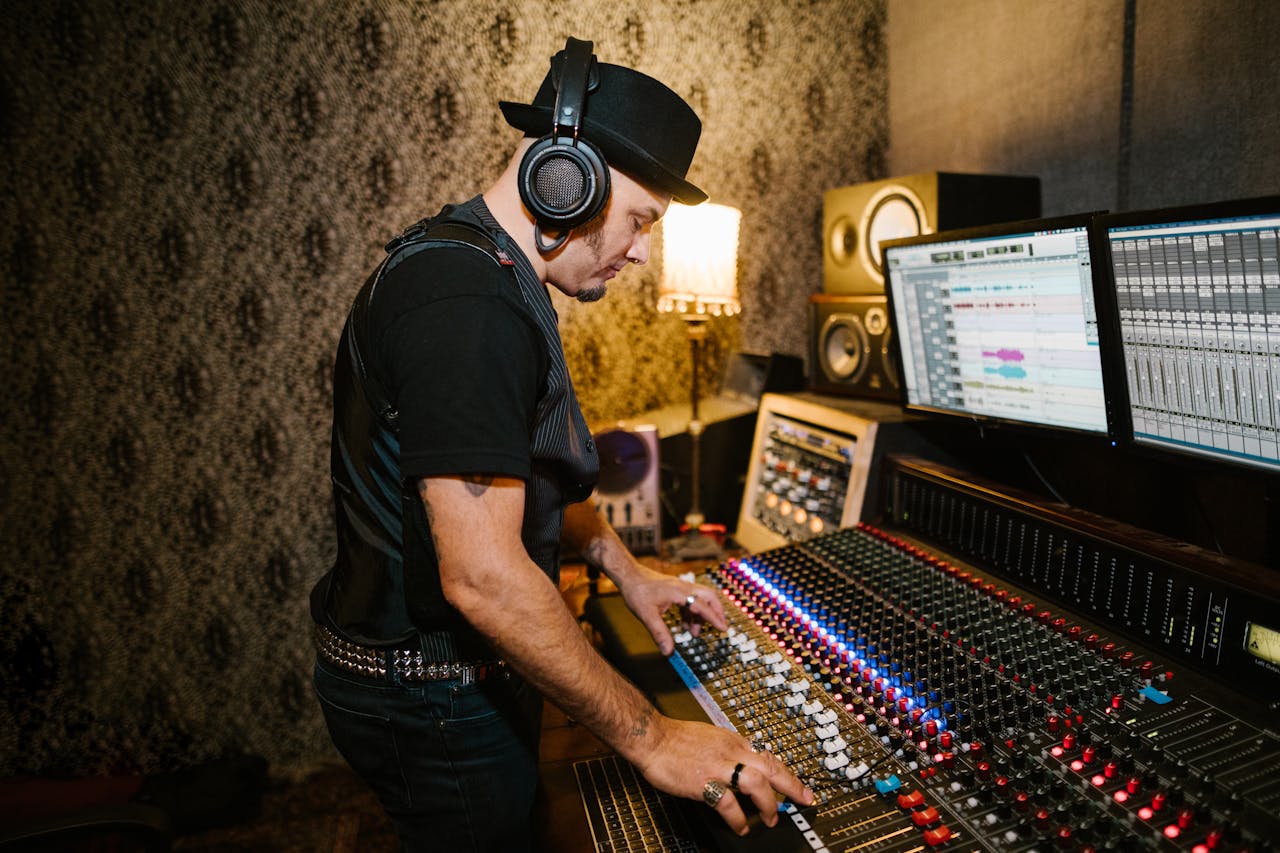
The influence of virtual instruments on modern sound design cannot be overstated. They enable composers to explore heterogeneous sonic textures, blending orchestral, electronic, and synthesized elements. Film, television, and video game scores increasingly rely on virtual instruments to create immersive experiences. Music producers can experiment with fewer limitations, exploring unconventional sounds that were previously unattainable. The accessibility of these tools ensures that creativity is the only boundary.
Future Directions in Virtual Instrument Technology
Virtual instruments continue to evolve at a rapid pace. Advances in artificial intelligence, machine learning, and physical modeling promise even more realism and versatility. AI can analyze performances and suggest articulations or harmonies. Physical modeling simulates the behavior of instruments in various environments, adding depth and resonance. These innovations will redefine how music is created, ensuring that virtual instruments remain an indispensable part of modern sound design.
Virtual instruments have revolutionized the music industry. They combine sampling, synthesis, and MIDI technology to provide tools that are both powerful and intuitive. Musicians can craft unique sounds, perform expressively, and produce professional-quality music with minimal equipment. The rise of virtual instruments reflects a broader trend toward technology-driven creativity. As these tools continue to improve, they will shape the future of sound design, offering endless possibilities for artists everywhere.…